
Essential Tips for Raising a Happy Puppy | Crate Training
Bringing home a new puppy? Congrats! Get ready for tail wags, and puppy kisses. One of the best ways to set your pup (and your furniture!) up for success is by crate training. It might sound intimidating at first, but with a little know-how, crate training can become one of your secret weapons for raising a happy, well-adjusted dog.
5/8/20242 min read
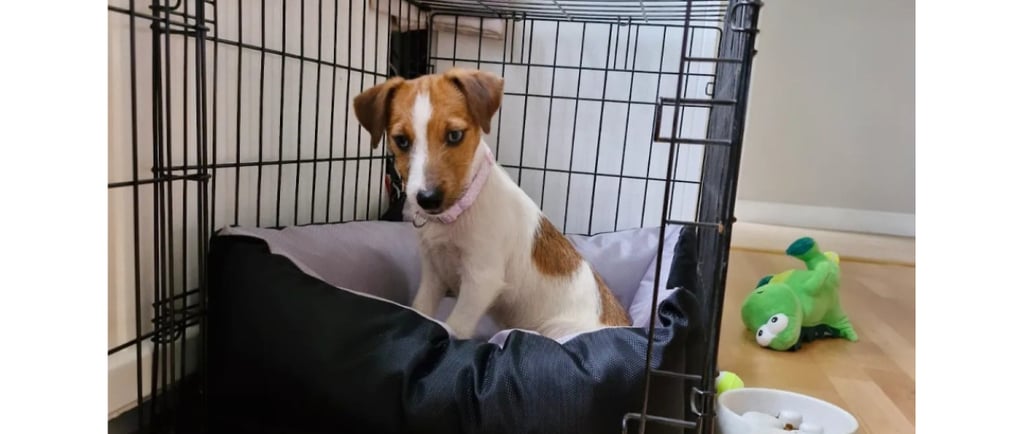

Why Crate Training Is So Important
Potty Training Made Easier
Puppies naturally don’t want to potty where they sleep. A crate teaches them to “hold it” until it’s time to go outside—which means fewer accidents and faster house training. Yes, please!A Cozy, Safe Space
Think of a crate like your pup’s personal bedroom. When used properly, it becomes a calm, comfy space they can relax in when they need a break or when life gets a little too exciting.Peace of Mind When You’re Busy
Can’t keep eyes on your pup 24/7? A crate keeps them (and your shoes, cords, and couch cushions) safe when you’re out or just stepping away for a bit.Travel & Vet Visits Are Less Stressful
Crate-trained dogs are usually much more chill when it comes to car rides, groomer trips, and vet visits. Bonus: it also makes boarding and traveling a breeze.
Simple Steps for Crate Training Success
Pick the Right Crate
It should be big enough for your puppy to stand up, turn around, and lie down—cozy, not cavernous. Some crates come with dividers so it can "grow" with your pup!Make It a Happy Place
Add a soft blanket, a favorite toy, and even a worn t-shirt that smells like you. Leave the door open at first so your pup can explore at their own pace.Add Some Treats & Praise
Start feeding meals near or inside the crate. Toss in treats and make it fun! The goal is to help your puppy associate the crate with good things.Practice with Short Sessions
Once your pup is comfy, try closing the door for a few minutes at a time while you’re nearby. Slowly build up the time so they feel safe even when you step away.Stick to a Routine
Use the crate for naps, bedtime, and short alone times. Never use it for punishment—it should always be a calm, positive space.Patience Pays Off
A little whining at first is normal, but stay calm and consistent. With time and routine, your pup will learn that the crate is just part of their happy day.
Final Woofs
Crate training isn’t just about structure—it’s about creating a safe, comforting space your puppy can call their own. With a little time, a lot of love, and some tasty treats, your pup will be crate-trained and confident before you know it!
Connect
Join our community of puppy enthusiasts.
Contact
© 2025. All rights reserved.